
The Silence That Follows Trauma
One thing I learned early in my own healing is that talking openly about it has the ability to suck the life out of the room. You mention your trauma, and suddenly everything goes quiet, like someone hit the emotional “mute” button. Then, when you try to lighten the mood again, the other person apologizes. And that’s where things get really awkward, because suddenly you’re the one who feels like you did something wrong, just for making someone else uncomfortable.
What could have been an open, human conversation between two adults instead turns into awkward silence and the sudden urge for the ground to swallow you whole.
Why It’s Hard to Open Up
That’s what makes opening up about CPTSD, trauma, or your struggles so tricky. You’re doing your best to be patient with yourself, to use all the tools you’ve learned, but the second you say it out loud, you feel the room change. And honestly? Sometimes that silence stings more than the story itself.
Learning to shrink.
So, to keep that from happening, I started to shrink myself. To play small. To stay quiet, even when I needed to be heard the most. I picked this up early in childhood, when I realized I couldn’t talk about my abuse. Silence felt like safety, and disappearing became a way to survive.
When Protection Becomes Pain
But what starts as a way to protect yourself can also leave deep scars. Over time, shrinking and hiding your truth builds layers of fear, shame, and constant alertness. You start to expect that speaking up is always unsafe, and your nervous system stays on high alert. That’s how chronic stress, hypervigilance, and self-doubt take root, the very foundation of CPTSD.
In other words, surviving abuse didn’t just shape my childhood, it rewired how I experienced the world, my relationships, and even myself. That small, quiet version of me became the default, long after the immediate danger was gone.
Owning My Story
But healing, at least for me, has been about unlearning that silence. That’s been the fundamental shift. It’s been about finding the courage to speak. Sure, I am still a little reserved in how I approach the topic, but every time I share a piece of my story, I take a little bit of that power back from the shame, the fear, and the silence that used to keep me small.
It’s in those very moments that a little confidence begins to be born.
Finding Community
It also helped when I found a community of people who were going through their own struggles, a space where I could speak freely and be met not with that awkward, uncomfortable silence but with understanding. I even talked about how important that is in a recent podcast episode.
The Truth About Life
The truth of the matter is life is messy, and nobody has lived a life without facing some kind of pain. And if we all could simply peel back those layers of messiness and be open and honest about our own challenges, it would create a space for connection, understanding, and healing that we often don’t allow ourselves to experience.
Staying Real
So, next time you’re in a room, share those uncomfortable truths. Don’t laugh them off, and don’t apologize for being human just to make someone else comfortable. That’s how healing happens, not in silence, but in the courage to stay real, even when the room goes quiet.
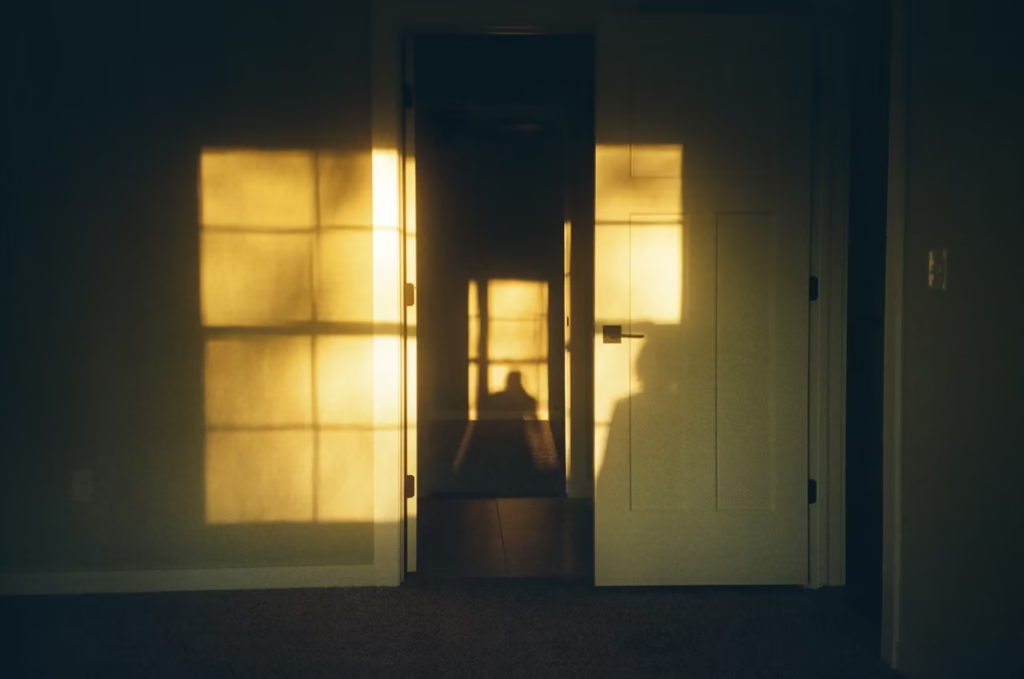
Photo by Parker Coffman on Unsplash